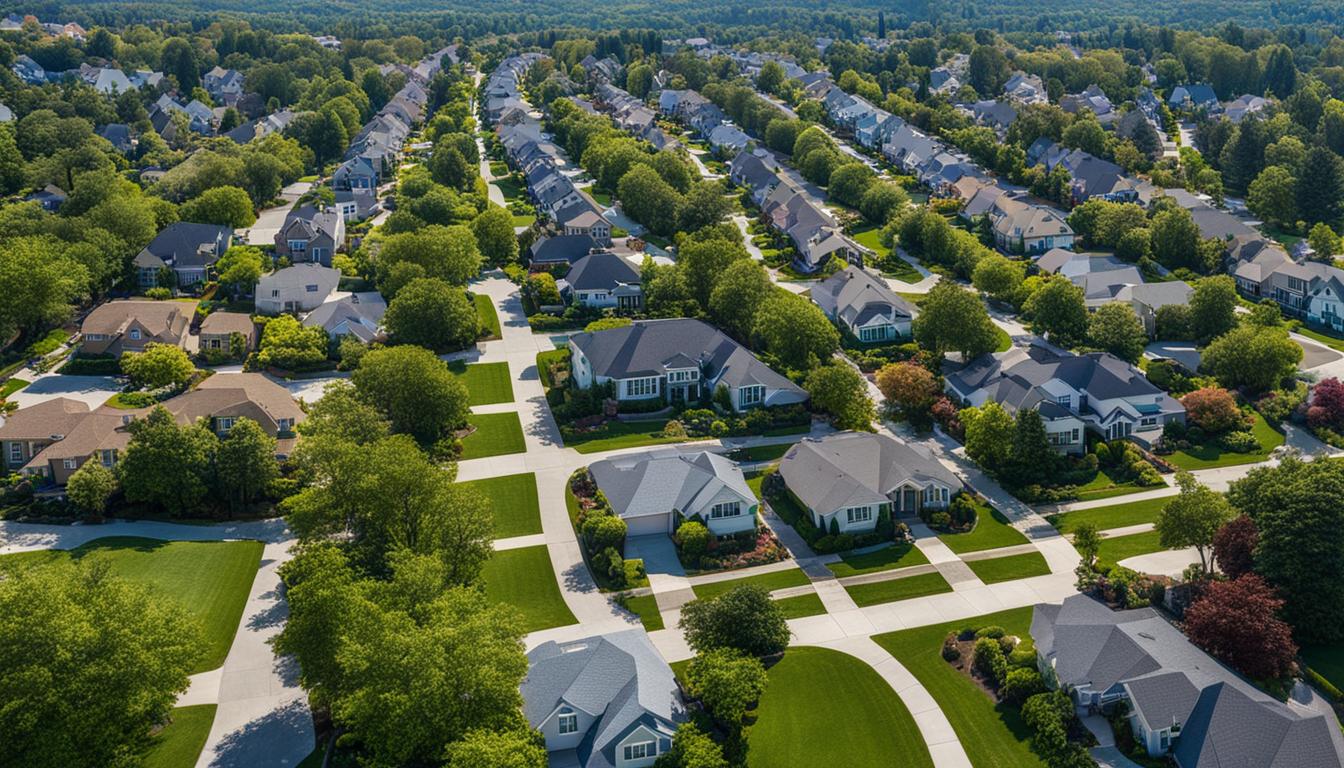
Managing real estate assets effectively is crucial for property owners looking to optimize their wealth and achieve long-term success in the field of property investment. Financial management plays a key role in maximizing returns and minimizing risks, making it essential for property owners to have a solid understanding of property management and real estate finance.
Real estate asset management companies specialize in providing comprehensive solutions to property owners, offering expertise in managing daily operations, implementing strategic asset management strategies, and delivering financial analysis and reporting. By partnering with these companies, property owners can rely on their professional guidance to enhance property performance and increase investment returns, while mitigating potential risks.
With the support of real estate asset management companies, property owners can benefit from their knowledge of market conditions, industry trends, and legislative changes. This expertise enables property owners to make informed decisions about property investments, optimize cash flow, and reduce operating expenses.
Key Takeaways:
- Real estate asset management companies provide customized asset management strategies for property owners.
- Partnering with these companies helps property owners maximize property value and minimize risks.
- Financial management is crucial for optimizing wealth and achieving long-term success in property investment.
- Knowledge of market conditions and industry trends allows property owners to make informed investment decisions.
- Optimizing cash flow and reducing operating expenses are key objectives in financial management for property owners.
Benefits of Real Estate Asset Management
Real estate asset management offers numerous advantages to property owners, investors, and institutions. By leveraging the expertise and knowledge of asset managers, property owners can optimize the value of their properties and achieve financial success. Let’s explore the benefits of real estate asset management:
1. Maximize Property Value
Asset managers utilize strategies to enhance rental income, minimize vacancies, and improve property performance. Through effective rental property management, they can attract high-quality tenants, negotiate competitive rental rates, and implement strategies to increase property value over time.
2. Risk Minimization and Financial Efficiency Evaluation
Asset managers stay updated on local market conditions and legislative changes, allowing them to identify potential risks and devise effective risk mitigation strategies. They also evaluate financial efficiency, ensuring that property owners optimize their expenses and maximize their returns on investment. This includes comprehensive landlord financial planning and minimizing property ownership expenses.
3. Portfolio Optimization and Diversification
Asset managers assist property owners in optimizing their real estate portfolios by providing valuable insights into market trends, property performance, and investment opportunities. They help diversify portfolios by identifying properties in different markets and asset classes, spreading risks, and maximizing potential returns.
4. Resource and Time Conservation
By outsourcing property management responsibilities to asset managers, property owners can save valuable time and resources. Asset managers handle day-to-day property management tasks, such as tenant screening, rent collection, maintenance coordination, and lease agreements, allowing property owners to focus on other aspects of their investment strategies or personal interests.
5. Industry Connections and Contacts
Asset managers have established relationships with various professionals in the real estate industry, such as contractors, brokers, and legal experts. These connections can be invaluable for property owners, providing access to reliable and trusted resources for property maintenance, property upgrades, and legal advice.
| Benefits of Real Estate Asset Management |
|---|
| Maximize Property Value |
| Risk Minimization and Financial Efficiency Evaluation |
| Portfolio Optimization and Diversification |
| Resource and Time Conservation |
| Industry Connections and Contacts |
Overall, real estate asset management provides property owners with the expertise, resources, and connections necessary to achieve optimal financial performance and success in the real estate market. By partnering with asset managers, property owners can navigate the complexities of property ownership, maximize their returns, and minimize risks.
Steps in Managing Real Estate Assets
Managing real estate assets involves a series of important steps to ensure effective financial management and maximize returns for property owners. By following these steps, property owners can navigate the complex world of property management and make informed decisions that contribute to long-term success. Key steps in managing real estate assets include:
- Establishing expectations: Set clear goals and objectives for your property investment, considering factors such as desired ROI, cash flow targets, and risk tolerance.
- Creating a customized asset management approach: Develop a tailored strategy that aligns with your specific goals and market conditions, taking into account factors such as property type, location, and target audience.
- Conducting property analysis: Perform a thorough analysis of the property’s current condition, market value, and potential for growth. This analysis helps identify areas for improvement and informs decision-making throughout the management process.
- Implementing property development and preservation strategies: Plan and execute strategies to enhance the property’s value through renovations, upgrades, and proactive maintenance. These strategies help attract tenants, retain their satisfaction, and increase rental income.
- Mitigating risks: Take steps to minimize potential risks associated with property ownership, such as legal liabilities, market fluctuations, and unforeseen expenses. Proper insurance coverage, proactive maintenance, and compliance with local regulations are crucial in risk management.
- Assessing performance: Regularly evaluate the property’s financial performance, including rental income, operating expenses, and overall profitability. This assessment informs future decision-making and highlights areas for improvement.
- Maintaining interaction and reporting: Keep open lines of communication with investors or property owners, providing regular reports on financial performance, property maintenance, and any significant developments. Transparency and effective communication build trust and ensure a collaborative approach to asset management.
- Making strategic decisions: Continuously monitor market conditions and industry trends to make informed decisions about property investment and management. Flexibility and adaptability are important in adjusting strategies to optimize returns and mitigate risks.
Property tax planning, ROI calculations, and the use of financial software for property management are essential components of managing real estate assets effectively. These tools and strategies help property owners optimize tax benefits, measure the performance of their investments, and streamline financial processes for increased efficiency and accuracy.
By following these steps and leveraging the right tools and technologies, property owners can navigate the complexities of real estate asset management and position themselves for long-term success.
Strategies to Maximize Real Estate Cash Flow
To optimize cash flow and increase profitability in real estate investments, property owners can implement several strategic approaches. By focusing on reducing operating expenses and increasing income streams, property owners can unlock the full potential of their investments.
Reducing Operating Expenses
To optimize cash flow, property owners can take steps to reduce operating expenses. One effective strategy is negotiating better rates with contractors for maintenance and repair services. By securing more favorable pricing, property owners can lower their overall expenses and increase their cash flow.
Implementing energy-efficient appliances is another way to reduce operating expenses. Energy-efficient appliances not only reduce utility costs but also attract environmentally conscious tenants. This can result in higher rental rates and lower vacancy rates, ultimately boosting cash flow.
Exploring do-it-yourself (DIY) maintenance options can also help property owners save on operating expenses. By handling minor repairs and maintenance tasks themselves, property owners can avoid outsourcing these jobs and cut down on expenses.
Increasing Income Streams
In addition to reducing operating expenses, property owners can focus on increasing income streams to maximize cash flow. One effective strategy is investing in properties with long-term rental potential. Properties located in high-demand areas or near popular amenities have a greater likelihood of attracting long-term tenants, ensuring a consistent rental income.
Considering short-term rental options, such as vacation rentals or corporate housing, can provide additional income streams. This diversification allows property owners to capitalize on seasonal demand or cater to specific markets, increasing cash flow.
Optimizing rent based on market conditions is another way to increase income streams. By conducting market research and staying informed about rental trends, property owners can ensure their rental rates are competitive and aligned with the market. This can contribute to higher rental income and improved cash flow.
Precise Cash Flow Calculations and Analysis
To effectively implement these strategies and make informed financial decisions, property owners should conduct precise cash flow calculations and analysis. This involves evaluating income and expenses, including rent, property taxes, insurance, and maintenance costs, to identify areas for improvement.
By analyzing cash flow patterns and identifying trends, property owners can determine where expenses can be reduced and where income can be increased. This data-driven approach empowers property owners to make strategic decisions that optimize cash flow and enhance profitability.
| Strategies | Description |
|---|---|
| Reducing Operating Expenses | Negotiate better rates with contractors Implement energy-efficient appliances Explore DIY maintenance options |
| Increasing Income Streams | Invest in properties with long-term rental potential Consider short-term rental options Optimize rent based on market conditions |
| Precise Cash Flow Calculations and Analysis | Evaluate income and expenses Analyze cash flow patterns Identify areas for improvement |
The Role of Accounts Receivable Solutions in Maximizing Cash Flow
In the world of real estate, optimizing cash flow is crucial for property owners to ensure financial success. One essential component in achieving this goal is effectively managing accounts receivable. Accounts receivable solutions provide property owners with the tools and automation necessary to streamline the cash flow process, minimize risks, and improve overall financial efficiency.
Accounts receivable solutions offer a range of benefits that enable property owners to optimize their cash flow. They automate manual tasks, such as generating invoices and sending payment reminders, saving time and reducing the risk of errors. By automating these processes, property owners can focus their efforts on other important aspects of property management while maintaining consistent and timely payments from tenants.
Furthermore, accounts receivable solutions provide real-time visibility into outstanding payments, allowing property owners to track and manage receivables more effectively. This visibility enables accurate cash flow forecasting and helps identify potential issues before they become significant problems. With this actionable data at their fingertips, property owners can make informed decisions to optimize cash flow and minimize any cash flow gaps.
Another key advantage of accounts receivable solutions is the additional data and reporting they provide. By leveraging advanced insights, property owners gain a deeper understanding of their cash flow performance and can identify areas for improvement. This data-driven approach empowers property owners to adjust their strategies, reduce risks, and maximize cash flow for sustained financial success.
To illustrate the importance of accounts receivable solutions, the table below highlights the significant impact they can have on cash flow optimization:
| Benefit | Description |
|---|---|
| Automation of Manual Tasks | Accounts receivable solutions automate time-consuming tasks, such as generating invoices and sending payment reminders, freeing up valuable resources for property owners. |
| Real-Time Visibility | These solutions provide real-time visibility into outstanding payments, allowing property owners to stay on top of receivables and maintain a healthy cash flow. |
| Accurate Cash Flow Forecasting | By leveraging accounts receivable solutions, property owners can generate accurate cash flow forecasts, enabling them to make informed financial decisions and plan for the future. |
| Data and Reporting | Accounts receivable solutions provide comprehensive data and reporting, helping property owners identify potential risks and areas for improvement to optimize cash flow. |
Implementing accounts receivable solutions is a strategic investment for property owners who aim to automate their cash flow processes, improve financial efficiency, and maximize profitability. By leveraging the capabilities of these solutions, property owners can streamline their operations, reduce risks, and ensure consistent and timely payments, ultimately leading to long-term financial success in the real estate industry.
Investments That Increase Profits for Rental Property Owners
Maximizing profits in rental property ownership requires strategic investments and effective management practices. By implementing routine maintenance, property upgrades, and targeted advertising, property owners can attract tenants, increase property value, and optimize rental income.
Routine Maintenance
Implementing routine maintenance practices is vital to prevent costly repairs and ensure the long-term profitability of rental properties. Regular inspections, maintenance, and repairs help maintain the property’s condition, attract quality tenants, and minimize vacancy periods. Property owners can prioritize tasks such as:
- Regular HVAC system inspections and filter replacements
- Annual roof and gutter maintenance
- Periodic plumbing and electrical inspections
- Landscape maintenance and pest control
By investing time and resources into routine maintenance, property owners can mitigate the risk of major repairs and renovations, ensuring consistent cash flow and tenant satisfaction.
Property Upgrades
Aligning property upgrades with market trends and tenant preferences can significantly increase rental income and property value. Carefully selecting upgrades that yield the highest return on investment is crucial. Some value-adding property upgrades include:
- Modernizing kitchens and bathrooms
- Upgrading flooring and fixtures
- Enhancing curb appeal through landscaping improvements
- Installing energy-efficient appliances and systems
Property upgrades not only attract quality tenants willing to pay higher rent but also contribute to tenant satisfaction and lower maintenance costs over time, further increasing profitability.
Rental Property Advertising
Effective rental property advertising plays a vital role in attracting a larger pool of potential tenants and reducing vacancy rates. Property owners should leverage reputable listing sites to maximize exposure and reach their target audience. By crafting compelling property descriptions, highlighting unique features, and utilizing professional-quality photographs, property owners can make their listings stand out. Additionally, utilizing social media platforms and local advertising channels can further enhance visibility.
The following is an example of a rental property advertisement:
Beautifully renovated 2-bedroom apartment in a prime location. Features include a spacious open-concept layout, modern kitchen with stainless steel appliances, and a private balcony with stunning city views. Conveniently situated near public transportation, shopping, and dining. Don’t miss out on this exceptional opportunity!
By investing time and effort into effective rental property advertising, property owners can attract a larger pool of qualified tenants, minimize vacancy periods, and maximize rental income.
The Role of Professional Property Management
Hiring a professional property management company can significantly streamline operations, improve tenant screening, and enhance profitability. Property management companies provide expertise in various areas, including:
- Tenant screening and selection
- Rent collection and lease administration
- Maintenance coordination and vendor management
- 24/7 emergency response
By leveraging the resources and experience of a property management company, property owners can optimize maintenance services, handle tenant issues efficiently, and ensure a smooth and profitable rental experience.
| Investment | Benefits |
|---|---|
| Routine Maintenance | Prevents costly repairs Attracts quality tenants Ensures tenant satisfaction |
| Property Upgrades | Increases rental income Enhances property value Reduces maintenance costs |
| Rental Property Advertising | Attracts a larger pool of potential tenants Reduces vacancy rates |
| Professional Property Management | Streamlines operations Improves tenant screening Enhances profitability |
Implementing Routine Maintenance for Long-Term Profitability
Routine maintenance is a crucial component of long-term profitability in rental properties. By prioritizing regular maintenance and repairs, property owners can prevent more significant issues from arising and extend the lifespan of their properties. This, in turn, leads to consistent rental income and increased property value.
Well-maintained rental units not only ensure the satisfaction of current tenants but also attract new renters. When tenants see that a property is properly maintained, they are more likely to stay long-term, reducing turnover times and minimizing vacancies. Additionally, satisfied tenants are more likely to take care of the property, further reducing the need for extensive repairs.
One effective approach to property maintenance is implementing a preventative maintenance strategy. This involves proactively identifying potential issues and addressing them before they escalate. By conducting regular inspections and addressing maintenance needs promptly, property owners can minimize unexpected expenses and maximize profitability.
Adhering to a preventative maintenance strategy can encompass various tasks, such as:
- Inspecting and repairing plumbing systems
- Checking and servicing HVAC systems
- Performing regular roof inspections and maintenance
- Conducting routine pest control measures
- Maintaining landscaping and outdoor areas
Implementing a preventative maintenance schedule ensures that property owners stay proactive and avoid costly repairs that could have been prevented. It also helps maintain a positive tenant experience, as issues are addressed promptly, improving tenant satisfaction.
Overall, prioritizing routine maintenance and following a preventative maintenance strategy is essential for long-term profitability in rental properties. By investing in regular upkeep and addressing maintenance needs promptly, property owners can minimize expenses, attract and retain satisfied tenants, and maximize their rental income.

Making Upgrades That Add Value to Rental Properties
Making upgrades to rental properties can significantly enhance their value and long-term profitability. By understanding the specific upgrades that attract tenants and aligning them with market demand, property owners can increase rental rates and decrease vacancies, ultimately maximizing their returns on investment.
One effective way to add value to rental properties is by investing in property upgrades. Researching local real estate market trends can provide valuable insights into the types of upgrades that tenants find appealing. This knowledge allows property owners to make informed decisions and prioritize upgrades that offer a high return on investment.
Here are some upgrade ideas that can add value to rental properties:
- Countertops: Upgrading countertops to high-quality materials like granite or quartz can significantly enhance the overall look and feel of a rental property. These materials are not only visually appealing but also durable, making them an attractive option for tenants.
- Flooring replacements: Installing new flooring can instantly transform the appearance of a rental property and increase its desirability. Consider options like hardwood or laminate flooring, which are durable and easy to maintain.
- Energy-efficient appliances: Upgrading to energy-efficient appliances not only reduces utility costs but also appeals to eco-conscious tenants. These appliances are attractive selling points for potential renters, as they promote sustainability and help tenants save money on their energy bills.
By incorporating these upgrades, rental property owners can create a more attractive and modern living space, thus increasing its market value and rental potential. It is essential to assess the local market, understand the target tenant demographic, and budget accordingly to ensure these upgrades have a positive impact on rental income and long-term profitability.
| Upgrade | Benefits |
|---|---|
| Countertops | – Enhanced visual appeal – Increased property value – Durability |
| Flooring Replacements | – Instantly transforms appearance – Higher desirability – Easy maintenance |
| Energy-efficient Appliances | – Reduced utility costs – Attracts eco-conscious tenants – Cost savings for tenants |
Listing Rental Properties on Reputable Platforms
When it comes to maximizing profits and attracting high-quality tenants for your rental properties, listing them on reputable platforms is crucial. Reputable rental listing websites provide access to a larger pool of potential tenants, increasing visibility and reducing vacancy rates. By listing your rental properties on these platforms, you can significantly enhance your chances of finding qualified tenants who will help maximize your rental income while ensuring the proper care and maintenance of your properties.
One effective way to enhance the visibility of your rental properties is to partner with a reputable property management company that has access to top rental listing websites. These companies often have established relationships with these platforms and can pass on listing discounts to their clients. By leveraging these partnerships, you can further extend your listing reach, attracting a larger number of qualified tenants who are actively searching for properties.
Listing your rental properties on reputable platforms and partnering with a property management company that has access to these platforms can offer the following benefits:
- Increased Visibility: Reputable rental listing websites have a wider reach and attract more potential tenants.
- Reduced Vacancy Rates: With increased visibility and access to a larger pool of potential tenants, the time it takes to find suitable tenants and fill vacancies decreases.
- High-Quality Tenants: These platforms attract tenants who are actively searching for rental properties and are more likely to be reliable and responsible tenants.
- Effective Screening: Reputable platforms often provide screening options and tools that help property owners identify qualified tenants with a proven track record.
- Competitive Rental Rates: By reaching a larger audience, you can set competitive rental rates and attract tenants who are willing to pay a fair price for the quality of your property.
Hiring a Professional Property Management Company for Profit Maximization
Hiring a professional property management company is a valuable investment for property owners seeking to maximize profits. Property management companies have the expertise and resources to handle the challenges of rental property ownership, including tenant screening, rent collection, maintenance coordination, and eviction processes. They ensure that rental properties are efficiently managed, reduce turnover times, and provide access to reliable contractors for maintenance services. By entrusting property management to professionals, property owners can focus on other aspects of their real estate investments and achieve higher profitability.

When it comes to property management, there are various tasks and responsibilities that must be effectively handled to ensure smooth operations and maximize returns. Property owners often find it challenging to dedicate sufficient time and effort to these tasks while juggling other commitments. This is where a professional property management company comes in.
A property management company can handle the entire spectrum of property management services, ensuring that all aspects of rental property ownership are efficiently executed. One of the key areas where property management companies excel is tenant screening. They have access to robust screening processes and resources to ensure that only reliable and qualified tenants are selected for your property. This helps minimize the risk of late payments, property damage, and evictions, ultimately protecting your investment.
Additionally, property management companies have extensive experience in rent collection, ensuring that you receive timely and consistent rental income. They take charge of rent collection, follow up on late payments, and enforce lease agreements, allowing you to focus on reaping the financial benefits of your investment without the stress of managing rental payments.
Maintenance coordination is another critical aspect of property management that can directly impact profitability. A property management company has a network of trusted contractors and service providers, ensuring that maintenance and repairs are carried out promptly and efficiently. This helps prevent small issues from becoming major problems and ensures that your property remains in excellent condition, attracting and retaining tenants.
One of the significant advantages of hiring a professional property management company is their knowledge of local rental markets and rental rate trends. They can conduct thorough market research and analysis to ensure that your property is competitively priced, maximizing income potential while keeping vacancies to a minimum. They can also assist with lease agreements, ensuring that the terms and conditions are fair and compliant with local regulations.
A professional property management company allows property owners to focus on other aspects of their real estate investments while ensuring that their properties are managed efficiently and profitably. By leveraging their expertise and resources, property owners can achieve higher profitability and enjoy a hassle-free rental property ownership experience.
The Role of Technology in Streamlining Cash Flow for Rental Properties
Technology plays a crucial role in streamlining cash flow for rental properties. Implementing cash flow management software or utilizing accounts receivable solutions can automate manual tasks, generate accurate cash flow forecasts based on real-time data, and provide real-time insights into accounts receivable. By leveraging rental property technology, property owners can optimize cash flow, make informed financial decisions, and proactively address potential cash flow shortfalls or surpluses. Access to advanced insights and real-time data analysis helps property owners identify areas for improvement and maintain a healthy and profitable cash flow.
Whether it’s automating rent collection, tracking expenses, or generating financial reports, the integration of technology streamlines financial processes, allowing property owners to focus on other aspects of property management. Cash flow automation through technology not only saves time and reduces administrative burdens but also minimizes the risk of human error.
Real-time data analysis enables property owners to monitor income and expenses efficiently. By tracking rental payments, late fees, maintenance costs, and other financial transactions, property owners can gain valuable insights into cash flow patterns and identify potential issues before they become significant problems. These insights facilitate strategic decision-making, allowing property owners to maximize rental income and minimize expenses through informed financial planning.
Benefits of Cash Flow Automation and Real-Time Data Analysis:
- Efficiency: Cash flow automation reduces manual tasks, saves time, and increases productivity.
- Accuracy: Real-time data analysis provides accurate and up-to-date information about cash flow, enabling property owners to make informed decisions.
- Visibility: Real-time data analysis offers insights into income and expenses, highlighting areas for improvement and cost-saving opportunities.
- Proactivity: Early identification of potential cash flow issues allows property owners to take proactive measures, such as adjusting rental rates or addressing late payments, to maintain a healthy cash flow.
- Peace of mind: With automated cash flow management and real-time data analysis, property owners can have peace of mind, knowing that their cash flow is being efficiently monitored and managed.
In summary, embracing rental property technology and implementing cash flow automation and real-time data analysis are essential for streamlining cash flow and maximizing profitability in rental properties. By leveraging technology and data-driven insights, property owners can optimize financial management, make informed decisions, and ensure a healthy and sustainable cash flow.
Conclusion
Effective financial management is crucial for property owners to optimize wealth and achieve long-term success in their real estate investments. By partnering with reputable real estate asset management companies, implementing strategies to maximize cash flow, making smart investments and upgrades, and leveraging technology and professional property management services, property owners can generate consistent income, increase property value, and minimize risks.
Taking a proactive approach to financial management is key. This includes staying informed about market trends and industry developments, conducting thorough analysis, and establishing customized asset management strategies that align with specific goals and objectives. By constantly evaluating and optimizing their real estate assets, property owners can unlock the full potential of their investments.
Furthermore, property owners should consider employing strategies such as routine maintenance practices, property upgrades, and listing rental properties on reputable platforms to attract high-quality tenants and maximize profitability. Hiring a professional property management company can streamline operations, improve tenant screening, and provide access to a network of reliable contractors for maintenance services, further enhancing profitability.
By implementing effective financial management practices and staying proactive in their approach, property owners can increase their chances of achieving property investment success. By continuously adapting to market conditions and leveraging the right resources and expertise, property owners can navigate the complex landscape of property management, optimize their wealth, and ultimately achieve long-term success in their real estate ventures.
FAQ
What is real estate asset management?
Real estate asset management companies focus on managing the daily operations and tactical supervision of real estate assets with the intention of maximizing investment returns and minimizing risks.
What are the benefits of real estate asset management?
Real estate asset management helps maximize property value, provides risk minimization, assists in portfolio optimization, conserves resources and time for property owners, and provides valuable connections and contacts in the real estate industry.
What are the steps in managing real estate assets?
The general steps include establishing expectations, creating a customized asset management approach, conducting property analysis, implementing property development and preservation strategies, mitigating risks, assessing performance, maintaining interaction and reporting, and making strategic decisions based on market circumstances and industry developments.
How can property owners maximize real estate cash flow?
Property owners can focus on reducing operating expenses, increasing income streams, and utilizing precise cash flow calculations and analysis to highlight areas for improvement.
What is the role of accounts receivable solutions in maximizing cash flow?
Accounts receivable solutions automate tasks, streamline processes, provide real-time visibility into outstanding payments, offer accurate cash flow forecasting, and help lower risks and increase visibility into cash flow.
How can property owners increase profits in the long term?
Property owners can increase profits by implementing routine maintenance practices, making strategic property upgrades, and listing rental properties on reputable platforms.
Why is routine maintenance important for long-term profitability in rental properties?
Routine maintenance helps prevent costly repairs, increases the property’s lifetime, contributes to tenant satisfaction, attracts new renters, and reduces turnover times.
What kind of upgrades can add value to rental properties?
Upgrades such as countertops, flooring replacements, and energy-efficient appliances can make a property more appealing to tenants, leading to higher rental rates and decreased vacancies.
Where should rental properties be listed to maximize profits?
Rental properties should be listed on reputable platforms to attract high-quality tenants and increase visibility.
Why should property owners consider hiring a professional property management company?
Professional property management companies have the expertise to handle challenges like tenant screening, rent collection, maintenance coordination, and eviction processes, ensuring efficient property management and higher profitability for property owners.
How can technology streamline cash flow for rental properties?
Technology, such as cash flow management software and accounts receivable solutions, can automate manual tasks, generate accurate cash flow forecasts, provide real-time insights into accounts receivable, and help property owners optimize cash flow.
What is the role of financial management in property investment success?
Effective financial management, including partnering with asset management companies, implementing strategies to maximize cash flow, making smart investments, leveraging technology and property management services, is essential for property owners to optimize wealth and achieve long-term success in real estate investments.
